
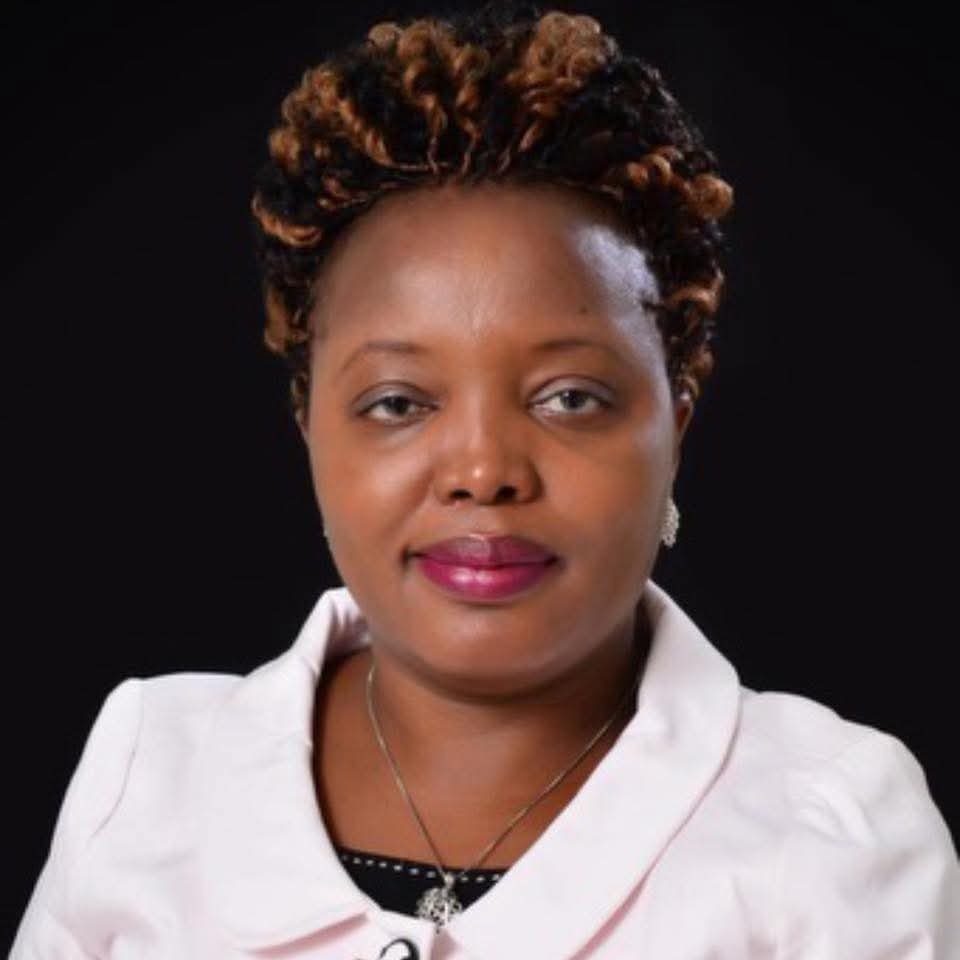
Rahab Mukami’s Practical Empowerment Agenda: Nyeri Woman Representative Gives Young Woman a Sewing Machine to Build Her Livelihood
Nyeri Woman Representative Hon. Rahab Mukami has continued to champion grassroots empowerment through practical interventions aimed at helping young people unlock their talents, become economically independent and build sustainable livelihoods.
In one of her latest acts of support, the legislator extended a helping hand to a young woman with sewing skills but who lacked the essential equipment needed to transform her talent into a reliable source of income.
Recognising her potential and the challenges that came with lacking the necessary tools, Hon. Rahab stepped in and provided her with a sewing machine, giving her an opportunity to turn her skills into an income-generating venture.
The intervention, though seemingly simple, carries a powerful message about the importance of practical empowerment: sometimes, people do not lack talent, determination or the willingness to work; they simply lack the tools required to translate their abilities into economic opportunities.
For the young woman, receiving the sewing machine marked an important step towards self-reliance, financial independence and improved well-being.
Hon. Rahab expressed delight at being able to support her, noting that the joy reflected on the beneficiary’s face was a reminder of how meaningful targeted assistance can be in changing individual lives.
Her intervention demonstrates an approach to leadership that recognises the everyday challenges facing ordinary people and seeks practical ways of addressing them.
Rather than limiting empowerment to promises and broad policy conversations, the Nyeri Woman Representative continues to highlight the importance of identifying individuals with potential and helping them overcome barriers that prevent them from becoming productive members of society.
Turning talent into economic opportunity
The sewing machine donation speaks directly to the economic challenges facing many young people who possess valuable vocational skills but lack the capital and equipment needed to establish themselves.
Across many communities, talented young people have acquired skills through vocational training, apprenticeships and personal experience. However, the transition from possessing a skill to earning a sustainable income remains difficult when the necessary tools are beyond their financial reach.
For someone trained in tailoring, a sewing machine can be the difference between remaining dependent on occasional opportunities and establishing an independent business.
With the equipment, the beneficiary can begin offering tailoring services, attracting customers, generating income and gradually expanding her enterprise.
She can also build a customer base within her community while developing her skills and exploring opportunities to grow her business.
This is the kind of practical intervention that Hon. Rahab believes can make a difference in the lives of young people.
Her message is that empowerment should go beyond providing temporary relief. It should equip beneficiaries with the capacity to earn, support themselves and take responsibility for their economic futures.
A leadership philosophy anchored in self-reliance
Hon. Rahab’s intervention reflects her emphasis on helping young people become self-reliant rather than remaining dependent on handouts.
Her desire, as she has consistently communicated, is to see more young people acquire the means to meet their basic needs, improve their living conditions and build better futures.
This philosophy recognises that sustainable economic empowerment begins when individuals are given opportunities to utilise their abilities productively.
For the young woman who received the sewing machine, the support offers a foundation upon which she can build a livelihood through her own effort, creativity and determination.
It also demonstrates the importance of listening to individual needs before designing empowerment interventions.
Not every beneficiary requires the same form of assistance. While some may need vocational training, others require equipment, business capital, mentorship or access to markets.
In this case, providing a sewing machine addressed the specific obstacle standing between the beneficiary and her ambition to earn an income through tailoring.
Such targeted assistance can create a multiplier effect, particularly when beneficiaries use the opportunities provided to establish small businesses and eventually expand their economic activities.
Empowering women and strengthening households
The intervention also carries significance for women’s economic empowerment.
Across Kenya, women play a central role in supporting households, running small businesses and contributing to community development. However, access to productive equipment and financial resources remains a challenge for many aspiring female entrepreneurs.
By supporting a young woman to establish herself in the tailoring business, Hon. Rahab is contributing to an empowerment model that places economic independence at the centre of improving livelihoods.
An income-generating activity can enable a woman to contribute towards household expenses, meet personal needs, save money and make decisions about her future with greater financial confidence.
It can also create opportunities for further growth, including employing other young people or mentoring others interested in learning tailoring.
The sewing machine therefore represents more than a donation. It is a productive asset that can potentially support an entire household and create additional opportunities within the community.
Putting people at the centre of leadership
For Hon. Rahab, the value of public leadership is reflected in the ability to identify challenges affecting citizens and respond with interventions that make a tangible difference.
Her latest gesture reinforces the importance of community-centred leadership, where individual circumstances matter and assistance is directed towards addressing actual needs.
The beneficiary’s happiness upon receiving the sewing machine was particularly significant to the legislator, reminding her that unlocking someone’s potential does not always require enormous resources.
Sometimes, providing the right equipment at the right time can open a completely new chapter in someone’s life.
This is an important lesson for development programmes targeting young people, especially those who have acquired practical skills but remain unable to convert them into meaningful economic activities.
Hon. Rahab’s approach places emphasis on enabling people to work, earn and improve their circumstances through their own abilities.
More Stories
CPA Evans Kakai Masinde Declares Bungoma Senatorial Ambition Ahead of 2027 Elections
Xinhua think tank report highlights high-quality Belt and Road cooperation in promoting open world economy
LG Launches xboom Stage 501 Across East Africa