
African universities urged to translate climate research into community action

African universities, researchers, and local communities have been urged to strengthen synergy to address the escalating impacts of climate change on health, livelihoods, food security, and environmental sustainability across the continent.
The call was made during the African Universities and Communities Climate Week Conference held recently, which convened academics, policymakers, community representatives, and innovators to explore practical, climate-resilient solutions.
Speaking at the conference, Alice Ritho, a researcher at the African Population and Health Research Center (APHRC), stressed that scientific research must align closely with ground-level realities.
Ritho noted that academic knowledge should be transformed into actionable solutions that vulnerable populations can readily adopt to bolster their health and economic well-being. She also emphasized the integration of local and indigenous knowledge, highlighting that indigenous expertise offers valuable insights to complement modern scientific approaches.
”Climate change is already affecting communities in various ways, and research must directly respond to what people are experiencing on the ground,” Ritho said, advocating for robust partnerships among academia, research institutions, and local communities to generate evidence-based policies.
She further highlighted the “One Health for One Planet” framework, urging stakeholders to place public health at the core of climate strategies as environmental shifts continue to alter disease dynamics, water security, and food safety.
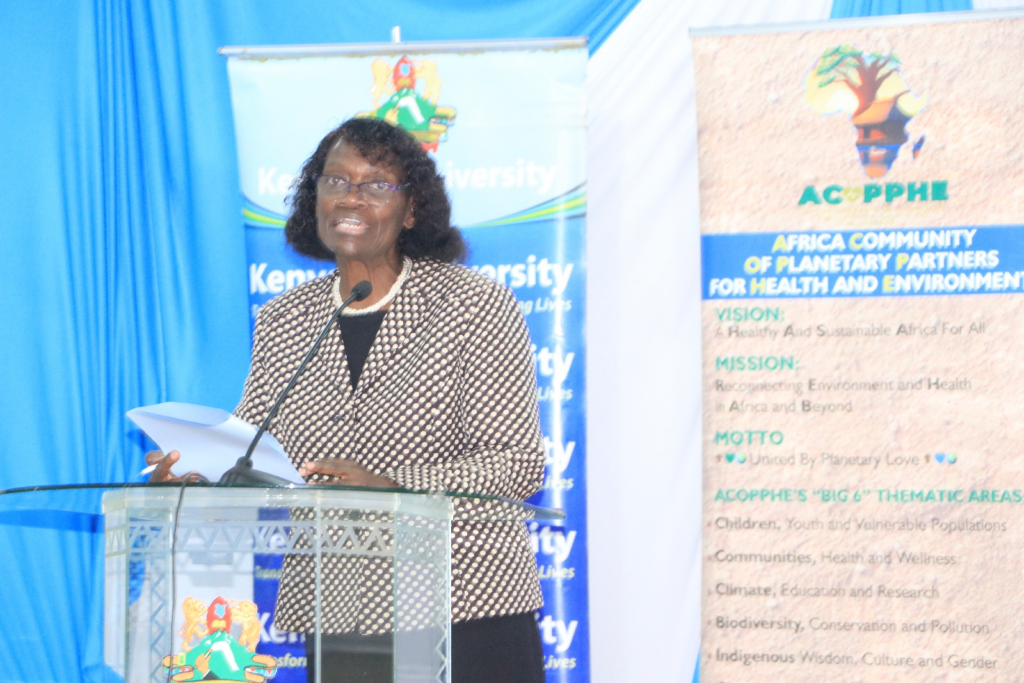
Echoing similar sentiments, Prof. Catherine Thoruwa, Deputy Vice-Chancellor for Research, Innovation, and Outreach at Kenyatta University, said tertiary institutions must take a lead role in driving innovation tailored to Africa’s environmental challenges.
Prof. Thoruwa called for expanding campus-based research into broader community partnerships, urging greater support for youth researchers to pioneer sustainable solutions in food security, environmental conservation, and public health.
Participants at the conference concluded that Africa’s climate response must remain locally driven, evidence-based, and adequately funded through sustained institutional and community-level collaboration.
More Stories
Eyes on Hainan | Hainan’s duty-free sector delivers stellar performance over 7-day holiday
Big Relief for Businesses and Students as Upesi Cuts International Transfer Costs to Zero
Seychelles: Minister Barry Faure addresses the High-Level Meeting on Sea Level Rise at the United Nations