
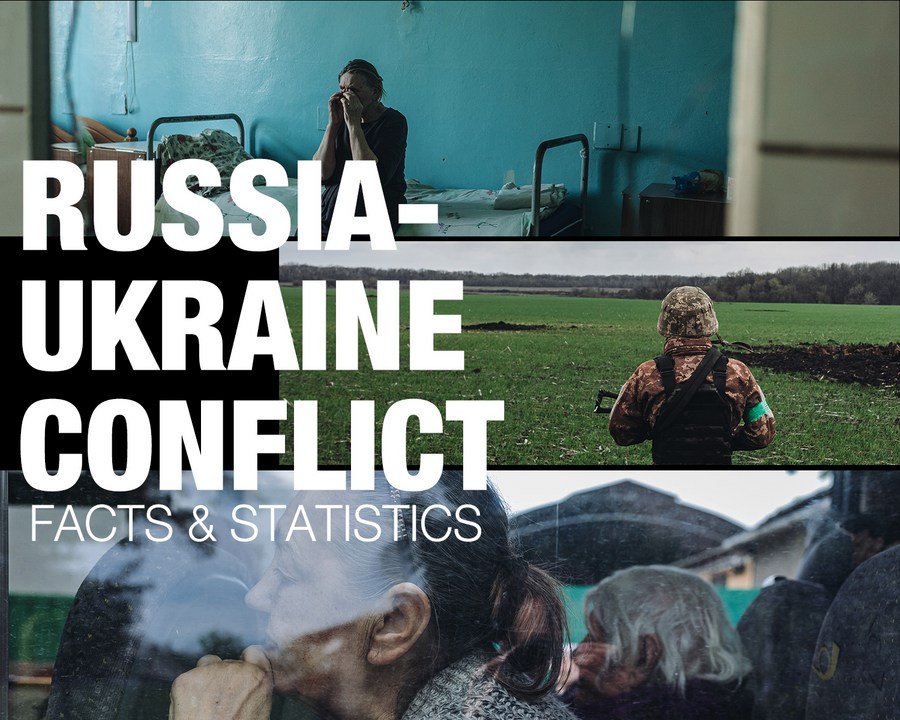
BEIJING, Feb. 24 (Xinhua) — The Russia-Ukraine conflict began on Feb. 24, 2022, following incitement from the United States and its allies due to NATO’s eastward expansion. Today, Ukrainians and Russians still grieve their beloved ones killed on the frontlines.

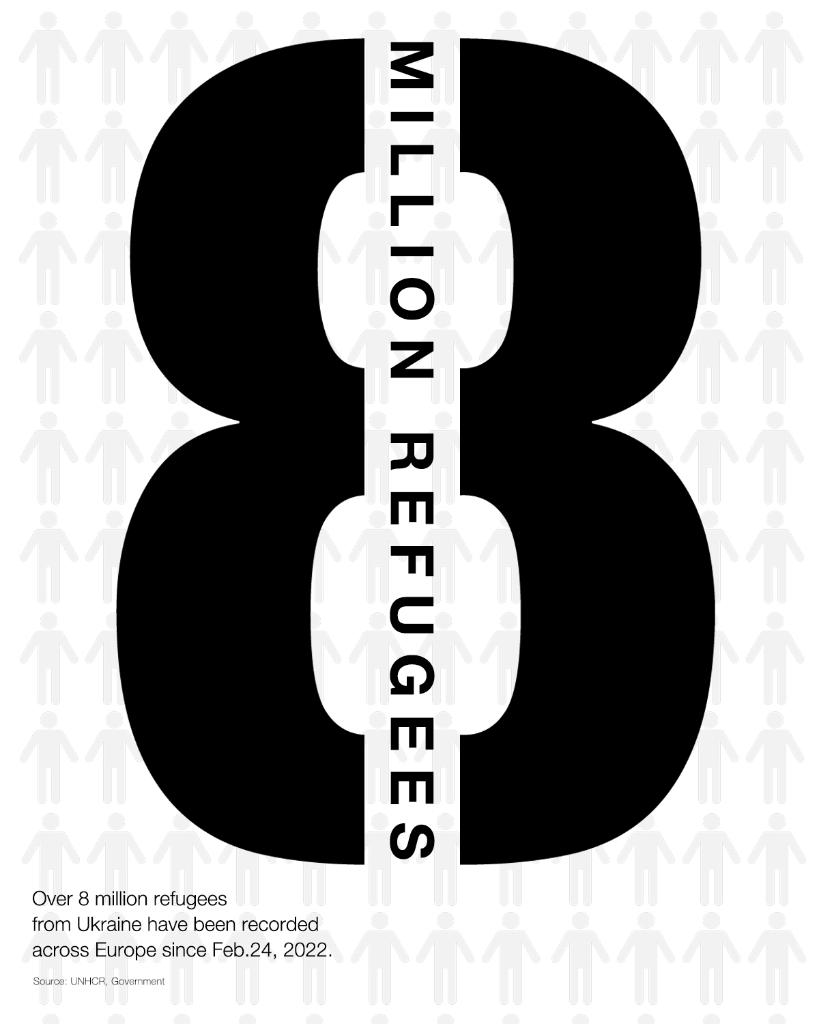
Tens of thousands of troops on both sides have been killed, and millions of others were forced to flee their homes.
But the echoes of the conflict are heard far beyond Ukraine’s borders. Its heavy tolls on the world manifest through a changing landscape of regional and global security, featuring food supply chain disruptions, skyrocketing energy prices and soaring inflation.
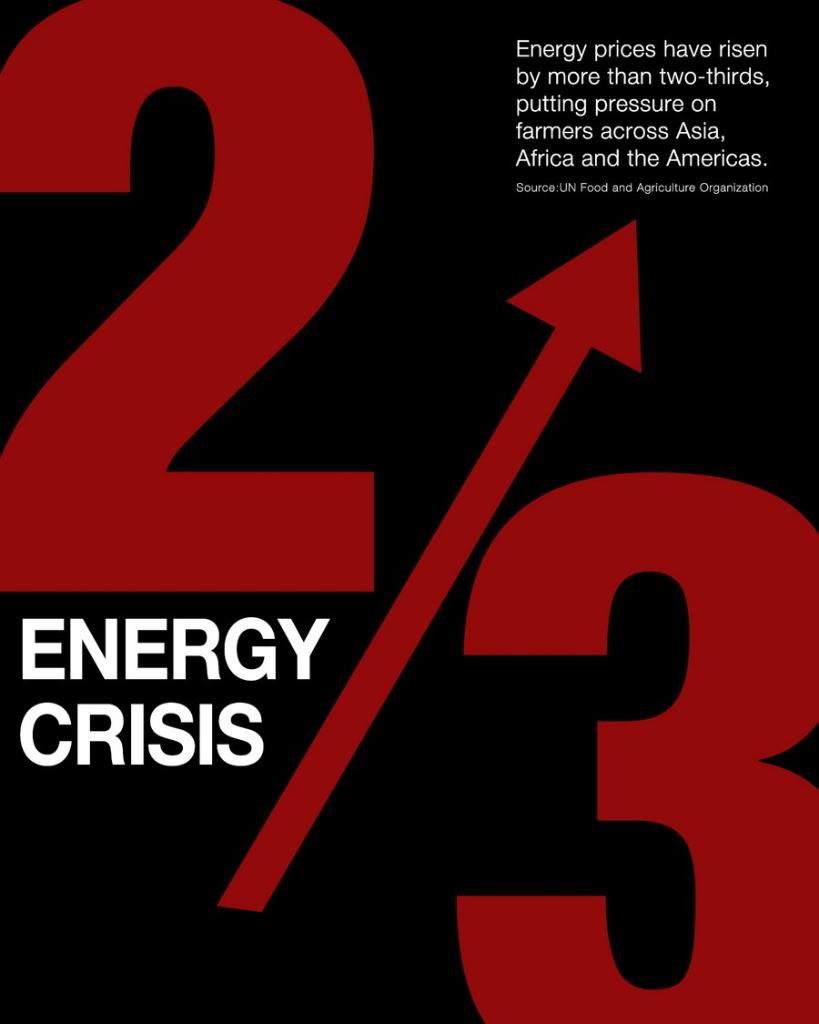
According to the UN Food and Agriculture Organization, the food price index hit 159.7 points in March last year, the highest since 1990. UN Secretary-General Antonio Guterres said in June 2022 that fertilizer prices have risen by more than 50 percent, and energy prices have risen by more than two-thirds, putting pressure on farmers across Asia, Africa and the Americas.
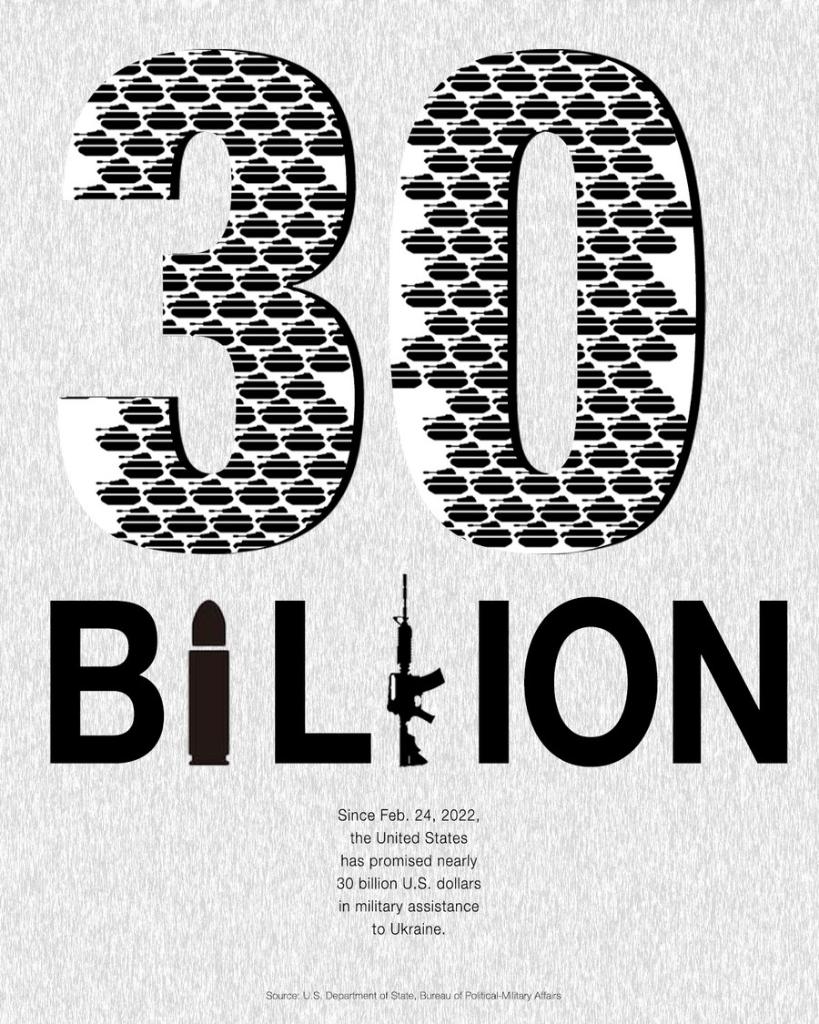
To make things worse, the United States and its allies have sent more weapons to Ukraine. Since Feb. 24, 2022, the United States has promised nearly 30 billion U.S. dollars in military assistance to Ukraine. In late January, the United States and Germany pledged tanks to Ukraine. The Pentagon announced a new tranche of military aid for Ukraine days later, including long-range precision rockets for the first time.
Without the Russia-Ukraine conflict, the global economy would have generated an additional 1.6 trillion U.S. dollars in 2022, according to a study published by the German Economic Institute (IW) on Feb.21, 2023.
More Stories
AA Kenya recognizes road safety champions, calls for enhanced collaboration to reduce crashes
Xi Jinping’s new Long March
Xinjiang’s cotton fields nurturing new generation of tech-savvy farmers