
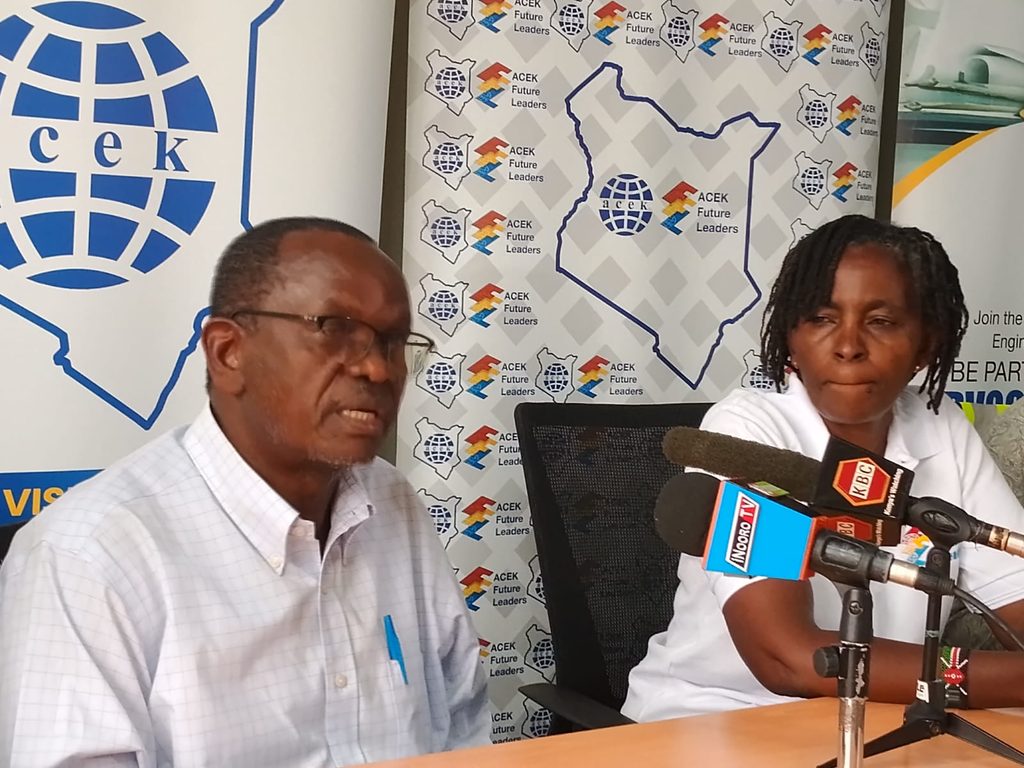
ASSOCIATION OF CONSULTING ENGINEERS OF KENYA (ACEK) PRESS RELEASE: EASTLEIGH BUILDING COLLAPSE, NAIROBI
By Benard Mulwa
Nairobi, 24 October, 2026 – The Association of Consulting Engineers of Kenya (ACEK) has learnt with great shock and sadness of the collapse of a multi-storey building under construction in Eastleigh, Nairobi.
On behalf of ACEK and the engineering fraternity, I extend our deepest sympathies to the affected families, businesses, workers, and the Eastleigh community during this difficult time. Our foremost thoughts are with those who remain unaccounted for. We join all Kenyans in praying that the ongoing rescue operations will lead to their swift and safe recovery.
According to official reports, rescue teams have established contact with some of the missing persons and efforts to reach them are continuing. We also wish those who have sustained injuries a full and speedy recovery and commend the emergency responders, Kenya Red Cross, National Police Service, Kenya Defence Forces, Nairobi City County, National Youth Service and all agencies involved for their tireless efforts under extremely challenging conditions.
At this moment, the priority must be the preservation of life, continued rescue operations, and support for affected families.
Possible Causes of Building Collapse
While it would be premature and irresponsible to speculate on the exact cause before investigations are complete, experience worldwide shows that building collapses are commonly associated with one or a combination of the following factors: Structural design deficiencies.
Poor construction workmanship. Use of substandard materials. Deviation from approved drawings and specifications. Inadequate supervision during construction. Overloading of structural elements. Weak foundations or adverse geotechnical conditions.
Unauthorized alterations during construction. Failure to comply with building regulations and approval requirements. Inadequate inspection and enforcement mechanisms. Only a detailed forensic engineering investigation can determine the actual cause in this particular case.
Recommended Remedies
This tragedy underscores the need to strengthen the entire construction governance ecosystem through:
- Strict enforcement of building codes and regulations.
- Enhanced oversight by county authorities and regulatory agencies.
- Mandatory engagement of qualified and licensed professionals throughout the project lifecycle. Increased site inspections during construction.
- Stronger accountability for developers, contractors, consultants and supervisors.
- Adoption of digital construction monitoring and compliance systems.
- Improved public awareness regarding the dangers of unauthorized developments.
7 Strengthening collaboration among regulatory bodies, professional institutions and industry stakeholders.
Strengthening Professional Involvement
ACEK further encourages all developers, investors, and project owners to engage qualified and duly registered consulting engineers from the earliest stages of project conception through design, construction supervision, and completion. Consulting engineering firms that are members of ACEK are required to uphold the highest standards of professional competence, ethics, quality assurance, and public safety. Quality infrastructure is achieved when projects are designed, reviewed, and supervised by competent professionals working within established regulatory and professional frameworks. Proper engineering design, independent supervision, adherence to approved drawings and specifications, and continuous quality control throughout construction are essential safeguards against structural failures.
As ACEK, we strongly advocate for the engagement of competent consulting engineers as a critical investment in public safety, project quality, and long-term asset performance. The cost of professional design and supervision is insignificant when compared to the potentially devastating human, social, and economic consequences of a building failure
Who Could Be Held Responsible?
At this stage, no individual or organization should be blamed before investigations are concluded. Responsibility, if established, may potentially extend to any party whose actions or omissions contributed to the collapse. Depending on the investigation findings, this could include: The developer or project owner. The contractor. Design consultants, where professional negligence is established. Site supervision personnel. Regulatory authorities where approval or enforcement failures are proven. Any other party that may have acted outside the law or approved standards. Accountability must be based on evidence and due process, not speculation. Closing Remarks Every building that stands safely for generations is a testament to the value of professional engineering. We therefore urge developers to prioritise quality, compliance, and professional oversight by engaging qualified consulting engineers and adhering strictly to approved construction standards.
Public safety must never be compromised in the pursuit of expediency or cost savings. As ACEK, we stand ready to support the relevant authorities, professional bodies and investigative agencies in establishing the facts and drawing lessons that will help prevent similar incidents in the future. Let us all continue to support the rescue teams and pray for the safe recovery of those who remain missing, comfort for affected families, and healing for the injured.
May God protect those still trapped and grant strength to all those working tirelessly to save lives. Thank you.
Issued by:
Eng. Gabriel W. Jabong’o
The President
More Stories
AA Kenya recognizes road safety champions, calls for enhanced collaboration to reduce crashes
Two bridges, 90 years apart: Long March spirit marches on
KITUI WEST MP HON. EDITH V. NYENZE DELIVERS ELEGANT 63RD MASHUJAA DAY MESSAGE: “Honouring Our Heroes, Building Our Nation Together”