
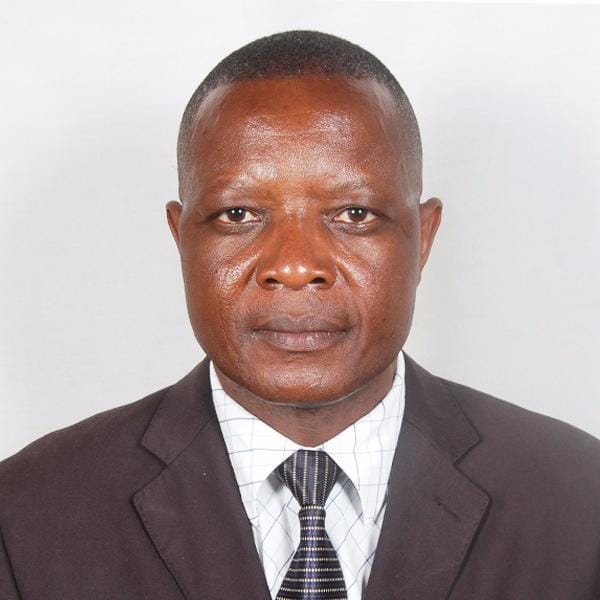
Emergency Expert Pius Masai Mwachi Calls for Urgent School Safety Training Following Utumishi Girls Fire Tragedy
Renowned emergency response and disaster management expert Pius Masai Mwachi has called on schools across Kenya to urgently strengthen safety measures and emergency preparedness following the tragic fire incident at Utumishi Girls, which left the nation in shock and reignited concerns over school safety standards.
Mwachi, a Certified Emergency Medical Services Instructor (EMS-I), Emergency Medical Technician (EMT), First Responder, and Safety, Security and Anti-Terrorism Specialist, described the incident as a painful reminder that many learning institutions remain dangerously unprepared to handle emergencies.
Speaking in the wake of the tragedy, Mwachi emphasized that the loss of lives and destruction witnessed at Utumishi Girls should serve as a wake-up call for school administrators, Boards of Management, parents and education stakeholders across the country.
“The biggest question we must ask ourselves is what lessons have we learnt from Utumishi and previous school disasters,” he stated. “If institutions are still unsure, then students, staff and school property remain at risk.”
Mwachi, who has over 40 years of frontline Emergency Medical Services experience, has since intensified calls for schools and colleges to invest in comprehensive emergency preparedness and disaster management training aimed at preventing future tragedies.
Through his specialized training programs, Mwachi equips learning institutions with practical skills on prevention, response and recovery during emergencies such as fires, earthquakes, bomb threats and security incidents.
His comprehensive school safety package includes detailed safety and security audits designed to identify fire hazards, blocked exits, weak access control systems and evacuation gaps before they become fatal.
The training also incorporates realistic emergency drills and simulations where teachers, students and support staff actively participate in practical response exercises rather than relying solely on theoretical instruction.
According to Mwachi, schools must move beyond paperwork and compliance reports by creating functional emergency response systems capable of saving lives during critical moments.
He further trains institutions on disaster preparedness and management by helping schools establish Emergency Response Teams, improve crisis communication and strengthen incident command structures.
Another major component of the program focuses on first aid and life-saving skills, including CPR, choking response, burn management, fracture stabilization and bleeding control — skills Mwachi says can mean the difference between life and death before professional emergency responders arrive.
The emergency expert also uses past incidents such as Utumishi Girls and Moi Girls tragedies as case studies to help institutions understand the importance of compliance with Ministry of Education and Fire Department safety regulations.
He warned that failure to enforce safety measures could expose schools to legal liability, penalties and devastating financial losses in addition to the emotional trauma caused by disasters.
Mwachi has urged principals, teachers, hostel managers, security personnel, school administrators, Boards of Management and Parents Associations to treat school safety as a priority rather than an afterthought.
“Parents today want assurance that their children are safe in school. Institutions must demonstrate preparedness and commitment to protecting lives,” he noted.
The expert further observed that emergency preparedness is no longer optional as government regulations around fire safety and disaster management continue to tighten.
Mwachi, who has been featured on KTN and other national and international media platforms analyzing major disasters, believes proactive training remains the most effective strategy in preventing avoidable tragedies.
“We train before tragedy, not after it,” he emphasized.
Education stakeholders have continued to support increased awareness around school safety, noting that regular drills, infrastructure audits and proper emergency planning are essential in safeguarding learners and staff.
As schools prepare for future academic terms, Mwachi is encouraging institutions to book emergency preparedness training sessions early due to increasing demand and limited training slots.
He maintains that one emergency drill conducted today could save hundreds of lives tomorrow.
For inquiries and training bookings, schools and institutions can contact Pius Masai Mwachi via phone at +254722644085 or through email at piusmasai1968@gmail.com and pimaclimited2016@gmail.com.
More Stories
Xinjiang’s cotton fields nurturing new generation of tech-savvy farmers
Xictionary: Healthy China
United Kingdom (UK) Speaker of House of Commons to attend 153rd Inter-Parliamentary Union Assembly in Tanzania